
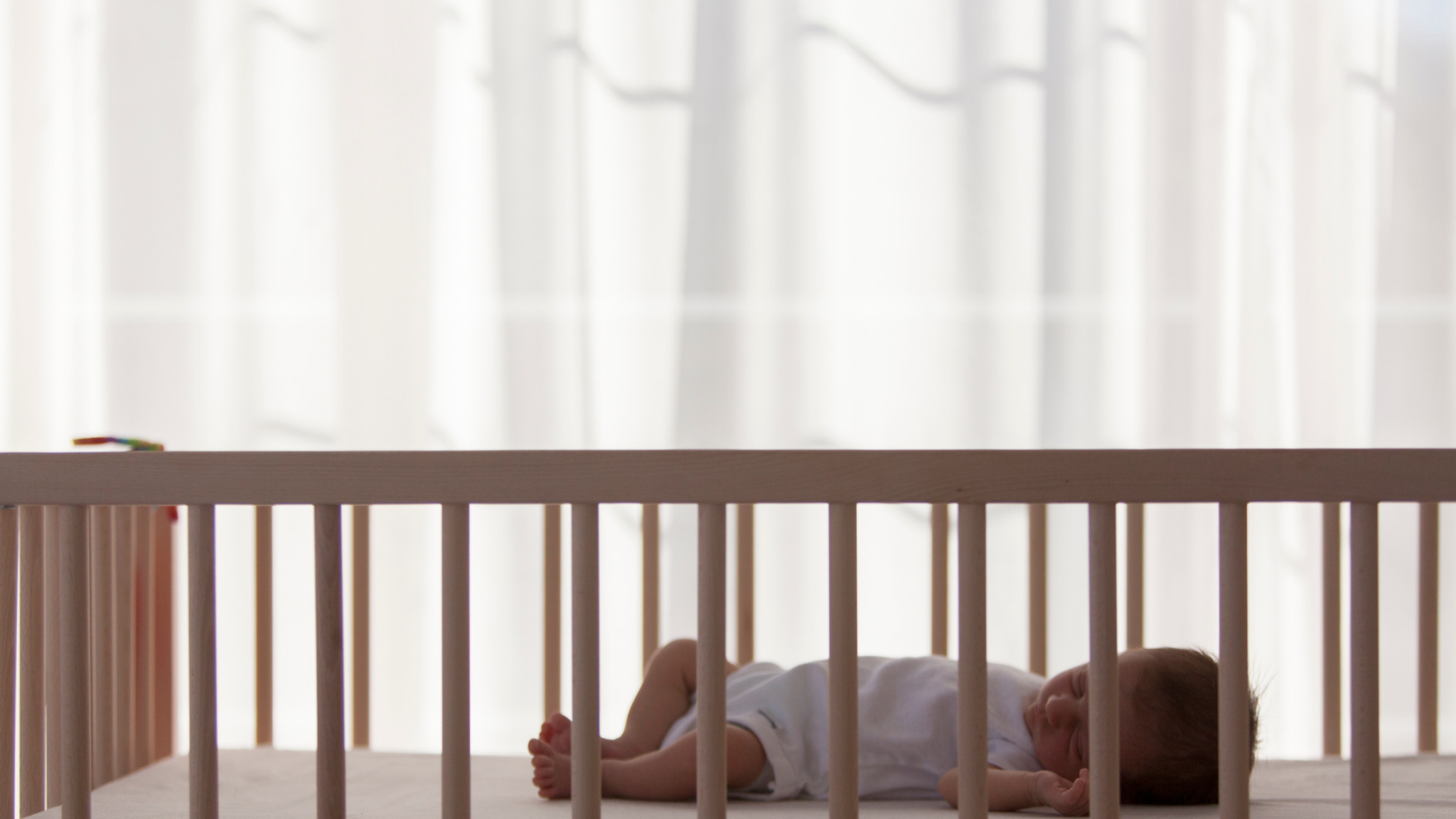
The importance of the AAP’s (American Academy of Pediatrics) “Back to Sleep” campaign, which started in the early to mid-1990s, cannot be overstated. It’s like the Rosetta Stone for understanding SIDS. Most people involved in the safe sleep community are aware that this was the single most important event in helping to prevent SIDS. It succeeded in cutting the SIDS rate in half in a matter of a few years.
Putting babies to sleep on their backs helped save lives by preventing infant suffocation, either from CO₂ rebreathing or airflow resistance.
However, it’s important to note that the rate of SIDS has remained relatively constant since the mid-1990s. In fact, it’s been on the rise since 2020.
According to the CDC’s (Centers for Disease Control and Prevention) most recent statistics from 2024 for SUID (Sudden Unexpected Infant Death), the following deaths were reported:
Of the 3,397 reported SUID deaths:
- 947 deaths from accidental suffocation and strangulation in bed
- 1,099 deaths from unknown causes
- 1,351 deaths from SIDS
If we add up the deaths from “unknown causes” and SIDS, that’s 2,450 babies, or 72% of all SUID cases.
Of these infant deaths, are we to believe that none are due to infant suffocation? Would they have us believe it’s been completely eradicated? That’s hard to imagine. From a logical standpoint, it’s highly improbable.
Keep in mind that once a baby is found unresponsive, it’s nearly impossible to determine the exact cause of death. Numerous infant sleep products, like inclined sleepers, have been recalled or taken off the market that have been linked to infant suffocation. If the same level of oversight for inclined sleepers was applied to crib mattresses, we’d be having a much different conversation today.
Even though parents are doing the right thing by putting babies to sleep on their backs, babies are known to roll on their own as early as two months. These babies are premature tummy sleepers and are at a higher risk for infant suffocation. In the unfortunate event they become oxygen deprived, not all are able to self-rescue. Keep in mind, most cases of SIDS occur between newborn and six months of age but can occur as old as 18 months.
This is where our Breathe Easy Baby mattress, or sleep system as I like to call it, can help save lives. If a baby rolls over, they can breathe normally through the air-permeable sleep surface and receive a constant supply of fresh air.
“Just because a baby rolls over, their life shouldn’t be put at risk.”
We are not saying that all crib mattresses are inherently unsafe. We’re saying our breathe-safe Breathe Easy Baby mattress can mean the difference between life and death in the event your baby finds itself in a position where its air supply is threatened.
Earlier this year, Australia implemented the world’s first CO₂ rebreathing standard and is now working on an airflow resistance standard.
If the U.S. were to adopt these two standards, it’s highly probable we would see the first real reduction in the SIDS rate in over 30 years since the introduction of the “Back to Sleep” campaign in 1994.
There’s no telling how long it will take the U.S. to adopt such standards, so it’s up to parents to do their homework and decide for themselves which baby mattress provides their baby with the safest sleep environment possible.
We at Breathe Easy Baby are doing all we can to promote infant sleep safety based on “measurable scientific evidence.” After all, what’s more important than the safety and well-being of our babies?


